


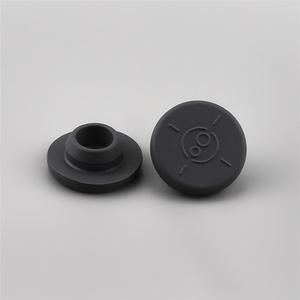
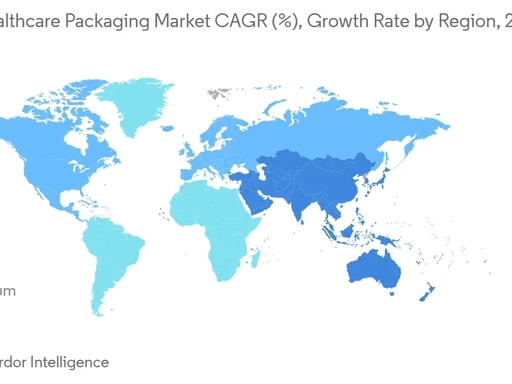
Published by PW Consulting Market Research, June 2026 The latest global market research report focusing on injectable sealing components was released in June 2026, providing full-size segmentation data and long-term forecasts for glass vials, butyl rubber stoppers and aluminum plastic caps. In 2025, butyl rubber stoppers occupied 52.7% of the total market revenue at USD 1.90 billion, widely used for general injection vials and oral powder bottles; high-performance halobutyl stoppers took 31.3% market share valued at USD 1.13 billion, serving vaccines, lyophilized drugs and biological therapies demanding superior gas barrier performance; tamper-evident aluminum plastic caps accounted for the remaining 16.1% with USD 0.58 billion turnover. Driven by the explosive expansion of mRNA vaccines, GLP-1 weight-loss injectables and cell therapy drugs, the whole segment is predicted to achieve a compound annual growth rate of 8.9% until 2032, with total market value reaching USD 5.216 billion. Asia-Pacific turns into the fastest-growing region with a 7.53% CAGR, as Chinese, Indian and Southeast Asian pharmaceutical manufacturers expand production capacity continuously. The report highlights that complete supporting sets combining Type I borosilicate vials, low-particulate halobutyl stoppers and automated crimp aluminum caps become the most popular procurement choice for global pharmaceutical factories. Chinese integrated packaging suppliers with full GMP and ISO certifications gain obvious cost and delivery advantages over European and American brands, with overseas orders from Indonesia, Vietnam, Malaysia and the Middle East surging 28% year-on-year in the first half of 2026. Raw material price volatility of butyl rubber and aluminum ingots in Q4 2025 squeezed profit margins, pushing medium-sized exporters to optimize production efficiency and develop lightweight composite caps to offset cost pressure.
 18014828823


 Message
